Exclusive Luxury Spa SF: Professional Wellness Therapy
Improve Your Well-being: The Unmatched Advantages of Regular Massage at a Thai Spa
Thai massage provides significant advantages that go far beyond simple relaxation. This traditional therapy blends acupressure, yoga, and meditation to tackle both physical and mental health. Many individuals find that regular sessions not only alleviate tension but also enhance their overall well-being. The powerful benefits may impress those who include it in their wellness practice. What specific advantages can one expect from this holistic approach?
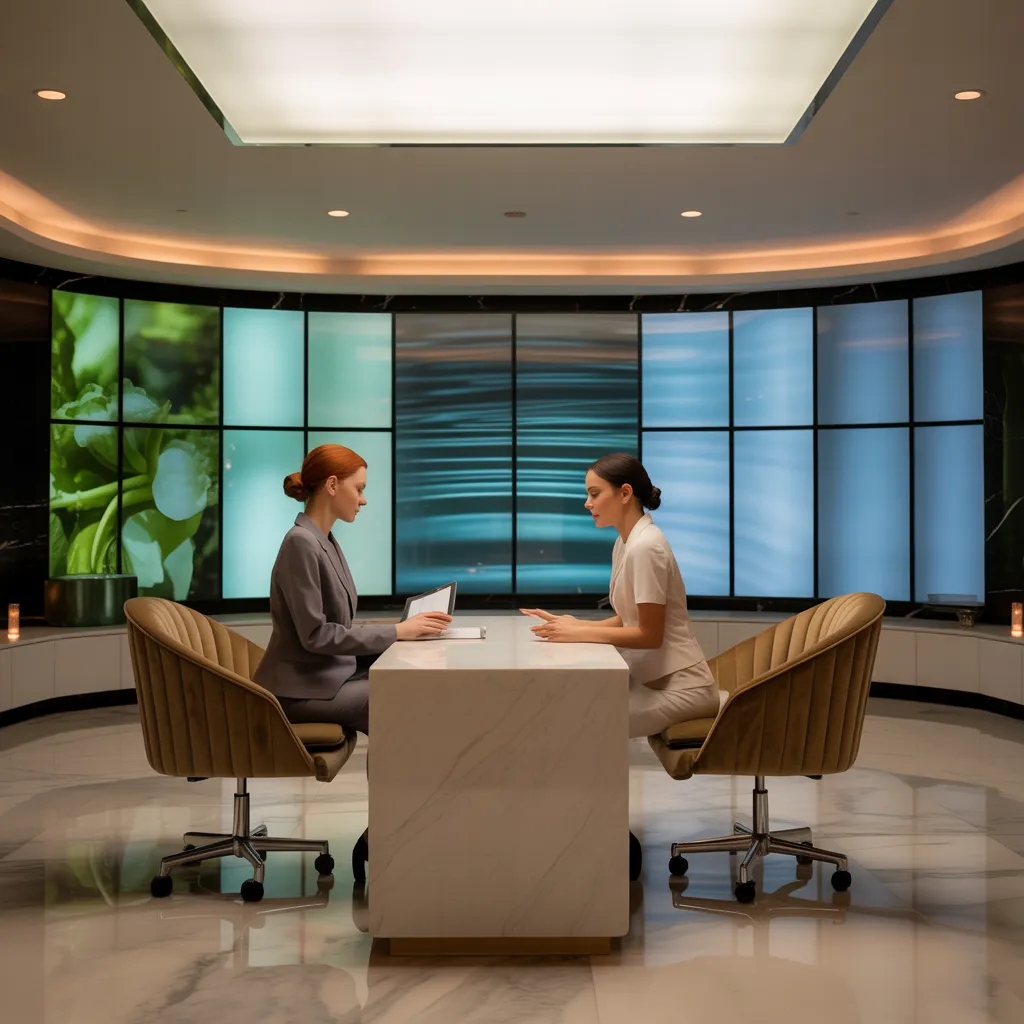
Understanding Thai Massage: An Ancient Medicinal Art
Thai massage, a time-honored practice rooted in ancient healing traditions, offers a unique blend of physical and spiritual rejuvenation. This therapeutic art form integrates elements of meditation, acupressure, and yoga, creating a holistic experience that transcends mere physical relaxation. Practitioners utilize a series of coordinated movements, careful stretching, and pressure administered along energy lines, known as "Sen," to release tension and promote balance within the body. Unlike conventional massages, Thai massage is performed on a mat, allowing for greater freedom of movement and flexibility. The practitioner's body weight is often used to amplify the impact of the methods, providing deep muscle relaxation without the use of oils. Furthermore, the spiritual aspect encourages mindfulness and self-awareness, fostering a deeper connection between body and mind. This ancient practice not only addresses physical discomfort but also contributes to overall well-being, making it a revered choice for those seeking comprehensive health benefits.
Relief from Stress and Relaxation: The Immediate Positive Results
Though numerous people search for sanctuary from life's demands, regular massage at a Thai spa offers immediate relief and relaxation. The soothing environment, coupled with skilled practitioners, creates an oasis where tension vanishes almost instantly. As clients rest on comfortable mats surrounded by relaxing aromas, the gentle yet firm techniques employed in Thai massage work to ease stress that has accumulated over time.
The gentle rhythmic motions and stretches cultivate a sense of serenity, helping the mind to unwind and the body to release pent-up tension. This direct effect is not simply physical; clients commonly report a enhanced sense of mental clarity and emotional balance subsequent to their sessions. Additionally, the deep relaxation achieved during a massage can result in improved sleep quality, making it simpler to navigate daily challenges. Eventually, regular visits to a Thai spa become an important practice for those striving to elevate their overall vitality and resilience against stress.
Better Flexibility and Movement Range
Consistent massage therapy at a Thai spa significantly improves flexibility and range of motion, particularly through the implementation of stretching techniques. Thai massage, defined by its exceptional blend of acupressure and assisted stretches, focuses on specific muscle groups to promote greater elasticity. The therapist uses rhythmic movements and deep pressure, enabling the body to eliminate tension and improve overall mobility.
This holistic approach not only alleviates stiffness but also facilitates the alignment of the body's musculoskeletal structure. As clients achieve enhanced flexibility, they often find everyday tasks less challenging, lowering the risk of injury.
Furthermore, routine sessions help maintaining joint health, as the stretching involved in Thai massage keeps the joints lubricated and functional. Over time, individuals may notice an increase in their physical capacity, whether in sports or everyday tasks, leading to a more active and fulfilling lifestyle.

Optimized Circulation and Blood Flow
Better blood flow and circulation are significant advantages of receiving regular massage at a Thai spa. This therapeutic practice employs techniques that stimulate the cardiovascular system, encouraging the efficient flow of blood throughout the body. As the therapist applies pressure and kneads the muscles, the enhanced blood circulation aids in deliver essential nutrients and oxygen to tissues, enhancing overall bodily function.
Moreover, improved circulation aids in the clearance of toxins, which can build up in the muscles and cause discomfort or fatigue. Consistent massage not only eases muscle tension but also supports the body's natural healing processes. Clients often report feeling refreshed and energized after sessions, resulting from better blood flow.
Furthermore, improved circulation can play a critical role in reducing the risk of various health conditions, including hypertension and cardiovascular disease. As a result, integrating regular Thai massage into an individual's wellness routine can greatly contribute to complete health and vitality.
Psychological Clarity and Emotional Harmony
Regular massage at a Thai spa can significantly contribute to mental clarity and emotional balance. By integrating stress reduction techniques, individuals may find respite from daily pressures, fostering a sharper mindset. Additionally, heightened mindfulness practices during these sessions encourage a deeper connection to one's emotions, resulting in greater overall wellness.
Stress Management Methods
Massage therapy at a Thai spa acts as a powerful tool for reducing stress, fostering pertinent information mental clarity and emotional balance. The therapeutic techniques utilized, including gentle stretching and deliberate pressure, help to alleviate tension in both the body and mind. This physical release encourages relaxation, allowing individuals to disconnect from daily stressors. As the mind becomes less cluttered, clarity emerges, promoting enhanced focus and decision-making. Additionally, the calming environment of a Thai spa, often complemented by soothing aromas and tranquil sounds, contributes to emotional well-being. Regular visits can bring about improved mood, reduced anxiety, and a greater sense of overall peace. As a result, incorporating massage into one's routine can be a transformative practice for dealing with stress effectively.
Elevated Attentive Approaches
Practices of mindfulness cultivate a significant sense of awareness, promoting mental clarity and emotional balance in individuals. Regular massages at a Thai spa support these practices by encouraging relaxation and reducing tension, helping the mind to focus and remain present. The flowing movements and soothing pressure of traditional Thai massage strengthen the body's connection to the mind, forming a harmonious state favorable for mindful reflection.
When clients embrace the serene surroundings, they commonly discover increased emotional stability, which assists in managing tension and worry. This combination between massage therapy and mindfulness encourages deeper introspection, resulting in better decision-making and emotional resilience. Finally, this holistic approach cultivates a balanced mindset, empowering individuals to navigate daily difficulties with greater calmness and insight.
Enhancing the Immune System
Your immune system, an intricate network of cells and tissues, serves a vital function in safeguarding your body against disease. Regular massage at a Thai spa can considerably contribute to enhancing its function. The approaches utilized during these treatments foster relaxation, decreasing stress hormones like cortisol, which can diminish immune system responses.
By stimulating lymphatic circulation, massage aids in the removal of toxins and enhances the delivery of nutrients to cells, fostering a more resilient immune system. Moreover, massage stimulates the production of antibodies and natural killer cells, both crucial in fighting off infections.
The soothing ambiance of a Thai spa, together with the physiological benefits of massage, develops a holistic health methodology that bolsters immune function. As individuals incorporate regular massage into their wellness routines, they may find themselves better equipped to fend off illnesses and maintain overall health.
Building a Comprehensive Wellness Practice
Incorporating consistent massage at a Thai spa is only one component of a complete approach to wellness. A holistic wellness routine blends physical, mental, and emotional health. To create such a routine, individuals should consider combining different practices that address different elements of health. This may include dietary modifications, such as a healthy diet abundant in whole foods, alongside regular exercise adapted to personal preferences.
Mindful activities, such as meditation or yoga, can improve mental clarity and emotional resilience. Proper sleep is critical and should not be overlooked, as it greatly influences overall health. Additionally, regular visits to a Thai spa for massage can alleviate stress and boost circulation, forming a synergy with other wellness practices. By combining these elements together, one can develop a complete lifestyle that fosters lasting health benefits, ultimately resulting in a more balanced and fulfilling life.
Questions & Answers
What Should I Wear to a Thai Massage Session?
Relaxed, comfortable clothing is advised for a Thai massage session. Clothing like yoga pants or soft shorts allows for ease of movement, ensuring the recipient can fully enjoy the massage techniques employed.
What Is the Duration of a Standard Thai Massage?
A standard Thai massage session lasts between 60 and 120 minutes. The duration may vary depending on individual preferences and the specific techniques employed by the therapist, guaranteeing a personalized experience for each client.
Are There Contraindications Associated with Thai Massage?
Certain health conditions could contraindicate Thai massage, including bone fractures, severe osteoporosis, skin infections, or recent surgeries. Pregnant individuals and those with cardiovascular problems should consult a healthcare professional before receiving this type of therapy.
Is Massage Therapy Safe While I'm Pregnant?
Pregnant individuals may receive massages, though it is essential to consult with a healthcare provider beforehand. Particular methods and positions need to be adapted to provide safety and comfort for the mother and baby.
What's the Ideal Frequency for Scheduling Thai Massages?
For optimal results, scheduling Thai massages two to four weeks apart is suggested. This frequency allows the body to entirely assimilate the restorative and soothing benefits, enhancing total wellness and reducing tension consistently over time.